Budget 2026-27 treats Ganga rejuvenation as infrastructure push over ecological revivalSummaryBudget 2026-27 allocates Rs 3,100 crore to the Gan...
Published by Trudi Schifter, CEO and Founder AquaSPE
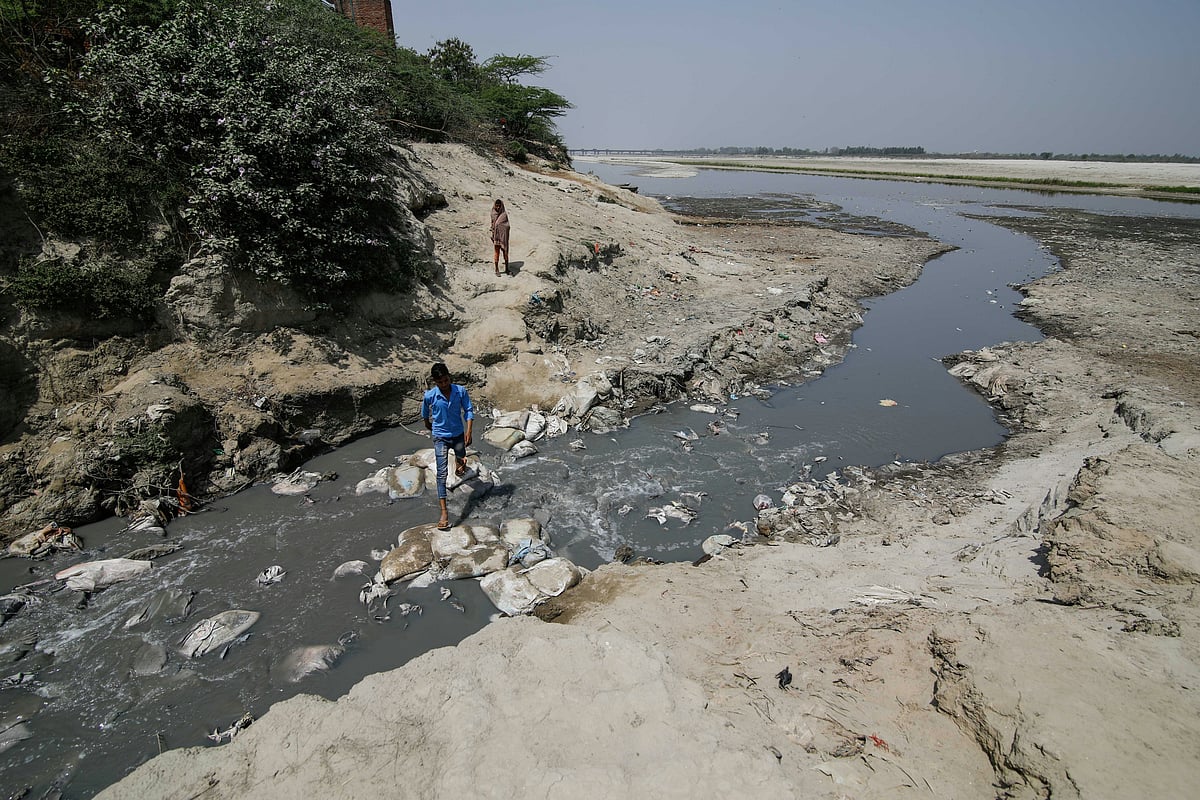
Budget 2026-27 treats Ganga rejuvenation as infrastructure push over ecological revival
Summary
Budget 2026-27 allocates Rs 3,100 crore to the Ganga Mission, below earlier projections
Spending priorities show a continued focus on sewage treatment and wastewater infrastructure
Externally aided projects backed by foreign agencies see increased allocations
Ecological measures such as river flow, floodplains and livelihoods receive little direct funding
The government’s commitment to rejuvenating the Ganga remains strong on paper, but the Union Budget for 2026-27 tabled by FInance Minister Nirmala Sitharam on February 1, 2026 suggested the mission is increasingly being treated as an infrastructure-led exercise rather than an ecological one.
An examination of allocations under the Department of Water Resources, River Development and Ganga Rejuvenation, under the Union Ministry of Jal Shakti, shows that pollution control through large engineering projects continues to dominate, while measures aimed at restoring the river’s natural systems receive little direct financial backing.
Allocations rise, but fall short of earlier targets
For 2026-27, the National Ganga Plan under Namami Gange Mission-2 has been allocated Rs 3,100 crore. This is higher than the revised estimate of Rs 2,687 crore for 2025-26, but still below the original budget estimate of Rs 3,400 crore for the previous year.
The shortfall indicates that spending in 2025-26 did not reach planned levels, with unutilised funds effectively rolled over into the new financial year. Notably, the Budget speech itself made no mention of rivers, including the Ganga or the proposed Ganga-Yamuna projects, even as allocations were increased on paper.
The department’s overall budget for 2026-27 stands at Rs 19,912.98 crore, up from Rs 18,405.74 crore in the previous year, but significantly lower than the original estimate of Rs 25,276.83 crore for 2025-26.
Focus on externally aided, engineering-heavy projects
An analysis of the budget suggests a symptomatic response to dying rivers, not a structural one. A key component of the Ganga Mission is the “externally aided projects” (EAP) segment, which has been allocated Rs 600 crore for 2026-27, up from a revised Rs 450 crore in 2025-26.
These projects are funded through loans or assistance from agencies such as the World Bank, the Japan International Cooperation Agency and the Asian Development Bank. They typically focus on large sewage treatment plants, wastewater networks and urban infrastructure, often implemented through public-private partnership models.
The prominence of EAP funding reinforces the idea that cleaning the Ganga is being approached primarily as a wastewater management and engineering challenge.
By contrast, the parallel “programme component”, funded through general budgetary support and covering administrative costs, monitoring and smaller interventions, has been set at Rs 2,500 crore. This is an increase from the revised estimate of Rs 2,237 crore last year, but still below the originally announced level of Rs 2,900 crore for 2025-26. There is no distinct financial line for large-scale ecological restoration of the river.
Water policy tilted towards mega projects
When compared with other water-sector priorities, the Ganga Mission’s allocation appears relatively modest. The Polavaram irrigation project in Andhra Pradesh alone has been allocated Rs 3,320 crore in 2026-27 — more than the entire net budget for the Ganga Mission.
Summary
Budget 2026-27 allocates Rs 3,100 crore to the Ganga Mission, below earlier projections
Spending priorities show a continued focus on sewage treatment and wastewater infrastructure
Externally aided projects backed by foreign agencies see increased allocations
Ecological measures such as river flow, floodplains and livelihoods receive little direct funding
The government’s commitment to rejuvenating the Ganga remains strong on paper, but the Union Budget for 2026-27 tabled by FInance Minister Nirmala Sitharam on February 1, 2026 suggested the mission is increasingly being treated as an infrastructure-led exercise rather than an ecological one.
An examination of allocations under the Department of Water Resources, River Development and Ganga Rejuvenation, under the Union Ministry of Jal Shakti, shows that pollution control through large engineering projects continues to dominate, while measures aimed at restoring the river’s natural systems receive little direct financial backing.
Allocations rise, but fall short of earlier targets
For 2026-27, the National Ganga Plan under Namami Gange Mission-2 has been allocated Rs 3,100 crore. This is higher than the revised estimate of Rs 2,687 crore for 2025-26, but still below the original budget estimate of Rs 3,400 crore for the previous year.
The shortfall indicates that spending in 2025-26 did not reach planned levels, with unutilised funds effectively rolled over into the new financial year. Notably, the Budget speech itself made no mention of rivers, including the Ganga or the proposed Ganga-Yamuna projects, even as allocations were increased on paper.
The department’s overall budget for 2026-27 stands at Rs 19,912.98 crore, up from Rs 18,405.74 crore in the previous year, but significantly lower than the original estimate of Rs 25,276.83 crore for 2025-26.
Focus on externally aided, engineering-heavy projects
An analysis of the budget suggests a symptomatic response to dying rivers, not a structural one. A key component of the Ganga Mission is the “externally aided projects” (EAP) segment, which has been allocated Rs 600 crore for 2026-27, up from a revised Rs 450 crore in 2025-26.
These projects are funded through loans or assistance from agencies such as the World Bank, the Japan International Cooperation Agency and the Asian Development Bank. They typically focus on large sewage treatment plants, wastewater networks and urban infrastructure, often implemented through public-private partnership models.
The prominence of EAP funding reinforces the idea that cleaning the Ganga is being approached primarily as a wastewater management and engineering challenge.
By contrast, the parallel “programme component”, funded through general budgetary support and covering administrative costs, monitoring and smaller interventions, has been set at Rs 2,500 crore. This is an increase from the revised estimate of Rs 2,237 crore last year, but still below the originally announced level of Rs 2,900 crore for 2025-26. There is no distinct financial line for large-scale ecological restoration of the river.
Water policy tilted towards mega projects
When compared with other water-sector priorities, the Ganga Mission’s allocation appears relatively modest. The Polavaram irrigation project in Andhra Pradesh alone has been allocated Rs 3,320 crore in 2026-27 — more than the entire net budget for the Ganga Mission.
Tags
- Project Management
- Allocation Mechanisms
- Project Management
- Infrastructure
- India
- green infrastructure
- India
- Water Allocation